
Call us now :07971190518
 Send Inquiry
 Send Inquiry
CPVC Piping System
CPVC Piping System Specification
- Tolerance
- +/- 1% of nominal diameter
- Sealing Type
- Solvent Welded Sealed
- Bend Radius
- Not recommended for bending; use fittings
- Temperature Range
- 0°C to 93°C
- Flexibility
- Rigid
- Tensile Strength
- 55 MPa
- Yield Strength
- 52 MPa
- Connection Type
- Solvent Weld
- Thread Type
- N/A (primarily solvent weld, threaded fittings available upon request)
- Diameter
- 15 mm to 50 mm
- Product Type
- CPVC Piping System
- Material
- Chlorinated Polyvinyl Chloride (CPVC)
- Connection
- Solvent Cement Joint
- Shape
- Round
- Standard
- ASTM D2846, IS 15778
- Surface Treatment
- Smooth, untreated
- Outer Diameter
- 1/2 inch (15 mm) to 2 inch (50 mm)
- Section Shape
- Circular
- Length
- 3 meters & 5 meters (standard lengths)
- Thickness
- 2.0 mm to 6.0 mm (varies by diameter)
- Color
- Light Ivory
- Usage
- Hot & Cold Water plumbing
- Rated Pressure
- 2.5 MPa (25 kg/cm²)
- Application
- Residential, Commercial, Industrial water distribution
- Material Grade
- SDR 11 / SDR 13.5
- Maximum Installation Temperature
- 93C
- Weight
- Lightweight, easy to handle and install
- UV Stability
- Suitable for indoor and covered outdoor installations
- Lead Free
- Yes, lead-free composition
- Installation Technique
- Solvent cement joining method
- Minimum Installation Temperature
- 0C
- Thermal Conductivity
- 0.16 W/mK
- Fire Resistance
- Self-extinguishing, does not support combustion
- Elongation at Break
- 50%
- Hydrostatic Design Basis (HDB)
- 5000 psi
- Corrosion Resistance
- Excellent, resistant to most acids and alkalis
- Odor & Taste
- Does not impart any odor or taste to water
- Impact Strength
- High impact resistance
- Chemical Resistance
- Resistant to chlorine & most chemicals in potable water
CPVC Piping System Trade Information
- Supply Ability
- 1000 Per Day
- Delivery Time
- 1 Days
- Main Domestic Market
- All India
CPVC Piping System About
The offered CPVC piping system is a high-temperature plastic pressure piping system introduced for potable plumbing in 1959. It has also been used extensively in fire sprinkler systems since many years. This material is also used for many industrial and process piping applications. CPVC (chlorinated polyvinyl chloride) is a strong, durable material that has been successfully used in plumbing applications around the world. It has been used successfully in outdoor applications when proper recommendations are followed. The CPVC piping system is very efficient and durable.
The fittings are manufactured using world-class raw material and technology, which makes them ideal for both hot and cold water distribution systems. These pipes are made from special plastic, chemically known as Chlorinated Polyvinyl Chloride, commonly known as CPVC.Vectus produces the best CPVC pipes in India, theyhave a unique combination of high impact resistance, with no compromise in the pressure bearing capacity / tensile strength or Vicat softening temperature. These qualities lower the chances of cracks/damages while handling, during storage, and installation making them suitable for-
- Hot and cold plumbing forcommercial or residential use
- Transfer of potable water
- Transfer of corrosive fluidsfor industrial use
- Because of its long-lasting make that is able to face extremely harsh chemical environments, CPVC is often preferred in harsh chemical industries as apiping solution.
Vectus CPVC pipes are manufactured as per IS 15778 & ASTM F 441 while the CPVC fittings are manufactured as per ASTM D 2846 & ASTM F 439 in CTS (Copper Tube Sizing) making them the best CPVC pipes in India.
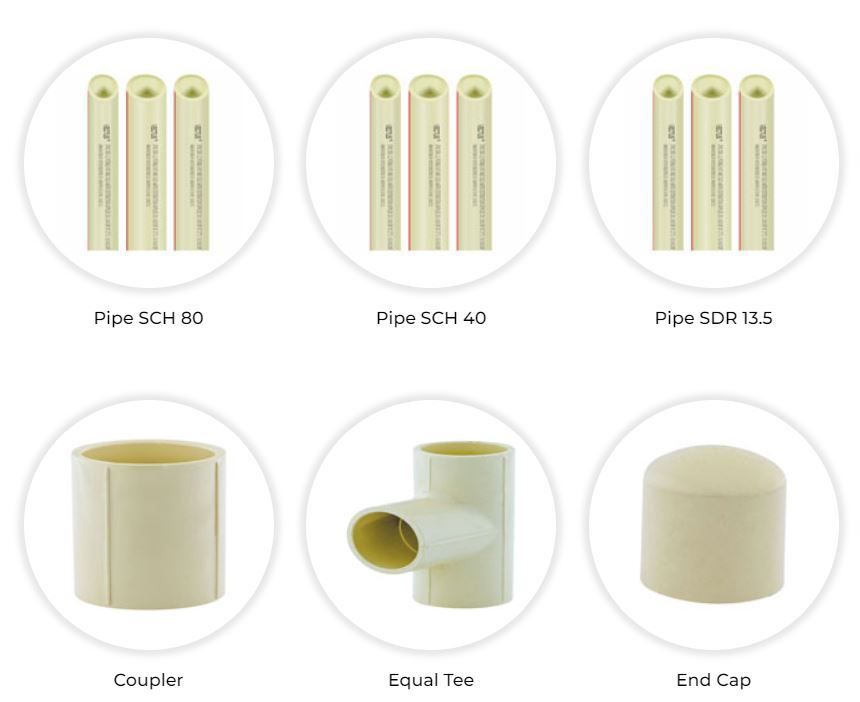
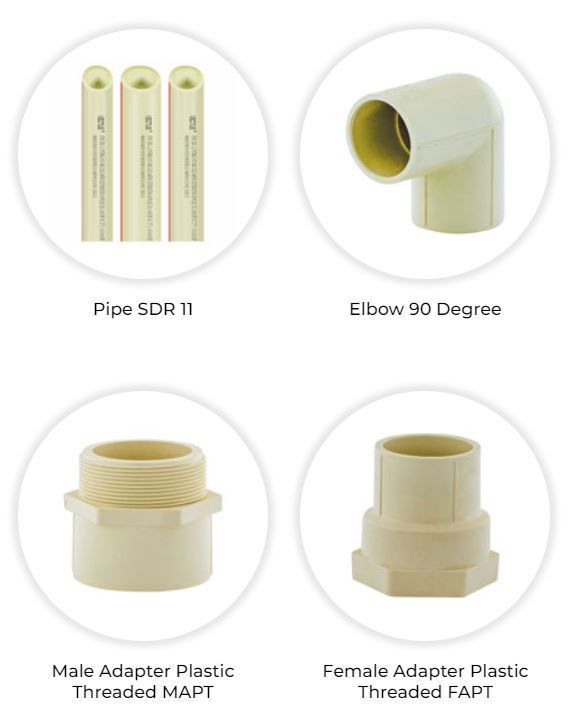
Vectus CPVC Pipes are available in SDR 11, SDR 13.5, SCH 40 & SCH 80, and fittings are manufactured as per SDR 11.The available range of CPVC pipes and CPVC fittings varies from 15 mm to 100 mm.
Outstanding Fire and Chemical Safety
CPVC pipes are self-extinguishing and do not support combustion, making them a reliable choice for areas exposed to fire hazards. In addition, their impressive resistance to corrosion and chemicalsincluding chlorine and most acids or alkalisensures the integrity and longevity of your water distribution system.
Simple, Secure Installation
Installation of CPVC piping systems is straightforward, relying on a solvent cement joining method that creates strong, solvent-welded seals. This process is both time-saving and cost-effective, making it ideal for professionals and DIY enthusiasts alike. The lightweight design further enhances speedy setup and handling.
Versatile Application Range
Available in various sizes and lengths, the CPVC piping system meets the requirements of residential, commercial, and industrial water distribution. Its robust hydrostatic design, lead-free composition, and compatibility with both hot and cold water make it a preferred solution for safe and reliable plumbing.
FAQs of CPVC Piping System:
Q: How is the CPVC piping system installed?
A: CPVC piping is installed using a solvent cement joining technique, which involves applying solvent cement to the surfaces to be joined, then fitting them together. This creates a durable, leak-proof, and long-lasting solvent-welded seal.Q: What makes CPVC pipes suitable for fire-prone environments?
A: CPVC pipes are self-extinguishing and do not support combustion, which means they automatically stop burning when the flame source is removed, enhancing fire safety in any installation setting.Q: Where can CPVC piping systems be used?
A: These pipes are suitable for residential, commercial, and industrial water distribution networks, including indoor spaces and covered outdoor areas, thanks to their UV stability and robust design.Q: What are the key benefits of using CPVC pipes for plumbing?
A: CPVC pipes offer excellent corrosion and chemical resistance, do not impart taste or odor to water, have high impact strength, are lightweight for easier installation, and are composed of lead-free materials to ensure safety.Q: When is solvent cement joining recommended for CPVC pipes?
A: Solvent cement joining is the standard technique for CPVC pipes and should be used wherever a strong, airtight seal is required, especially in water plumbing systems for hot and cold water distribution.Q: What is the temperature range for safe installation and operation of CPVC pipes?
A: CPVC pipes can be safely installed and used in temperatures ranging from 0C to 93C, accommodating most hot and cold water applications without risk of deformation or failure.Q: Do CPVC pipes require threading for connections?
A: Typically, CPVC pipes use the solvent weld connection type and threading is not required. However, threaded fittings are available upon request for specific applications.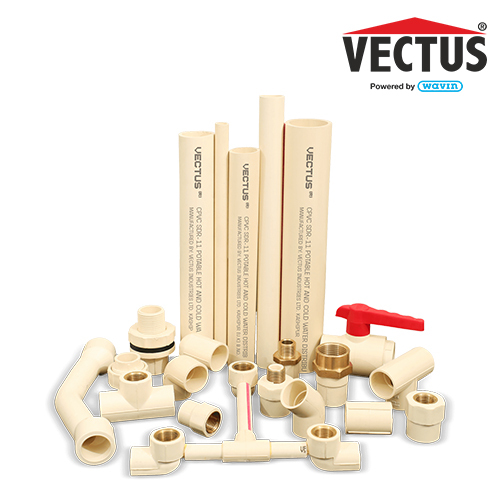
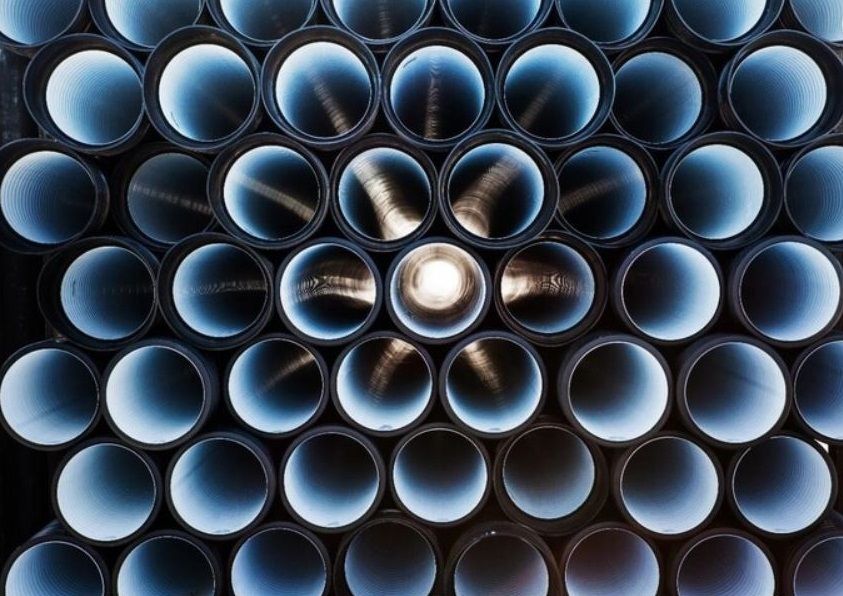
Tell us about your requirement

Price:
Quantity
Select Unit
- 50
- 100
- 200
- 250
- 500
- 1000+
Additional detail
Mobile number
Email

More Products in Pipes & Fittings Category
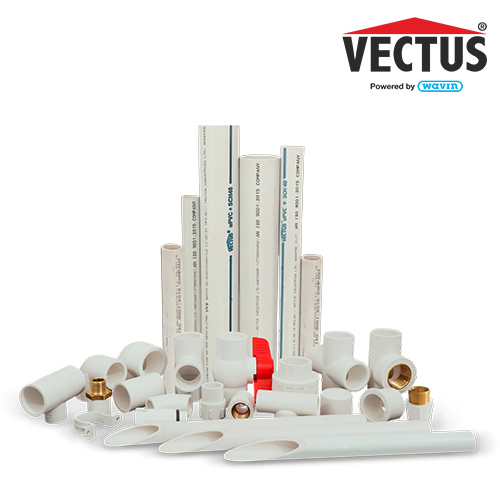
ASTM piping system
Color : White
Material : Other , PVC (Polyvinyl Chloride)
Shape : Round
Connection : Other, Solvent weld / Threaded
Product Type : Other, Piping System
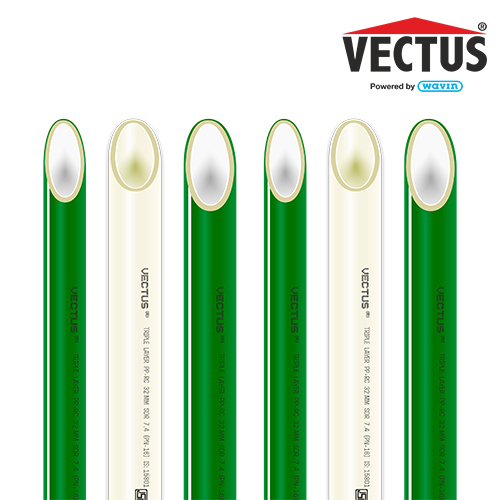
PPR Pipes
Color : Green
Material : Other , Polypropylene Random Copolymer (PPR)
Shape : Round
Connection : Other, Socket Fusion, Butt Fusion, Electrofusion
Product Type : Other, PPR Pipes
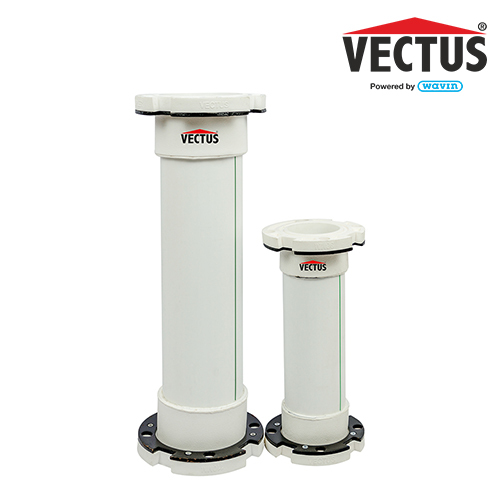
PPR Submersible pipe
Color : White
Material : Other , PPR (Polypropylene Random Copolymer)
Shape : Other, Straight
Connection : Other, Flanged
Product Type : Pipe, Other
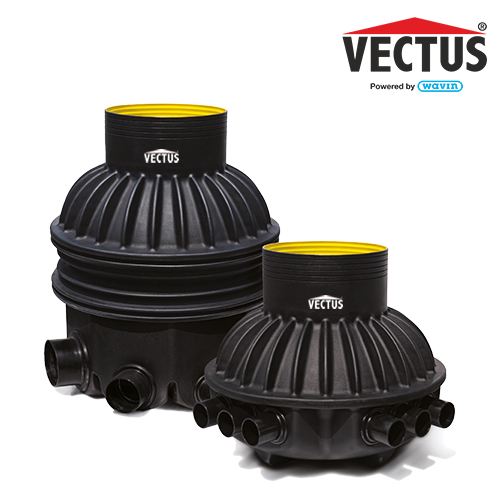
Polyethylene Manholes
Color : Black with yellow rim
Material : Polyethylene, Other
Shape : Other, Domeshaped structure
Connection : Other, Inlets and outlets for pipe connections
Product Type : Other, Manholes


 Send Inquiry
Our Products


Lotus Business Park, Tower B, 2nd Floor, Sector-127,Noida - 201301, Uttar Pradesh, India

 Send Inquiry
 Send SMS
 Call Me Free
Developed and Managed by Infocom Network Private Limited.
 English
 Spanish
 French
 German
 Italian
 Chinese (Simplified)
 Japanese
 Korean
 Arabic
 Portuguese