
Call us now :07971190518
 Send Inquiry
 Send Inquiry
PPR Pipes
PPR Pipes Specification
- Coating Type
- Uncoated
- Temperature Range
- -10C to +95C
- Tensile Strength
- > 22 N/mm
- Diameter
- 20 mm, 25 mm, 32 mm, 40 mm, 50 mm, 63 mm, 75 mm, 90 mm, 110 mm, 160 mm
- Bend Radius
- 5 outer diameter
- Connection Type
- Fusion Welded
- Flexibility
- Semi-rigid
- Yield Strength
- > 20 N/mm
- Sealing Type
- Thermal Welding
- Tolerance
- +/- 0.3 mm
- Product Type
- PPR Pipes
- Material
- Polypropylene Random Copolymer (PPR)
- Connection
- Socket Fusion, Butt Fusion, Electrofusion
- Shape
- Round
- Standard
- DIN 8077/8078
- Surface Treatment
- Smooth
- Outer Diameter
- 20 mm to 160 mm
- Section Shape
- Cylindrical
- Length
- 4 m or custom
- Thickness
- 1.9 mm to 13.7 mm
- Color
- Green
- Usage
- Cold and Hot Water Supply
- Rated Pressure
- PN10/PN16/PN20/PN25
- Application
- Plumbing, Industrial, Chemical Supply, Compressed Air
- Material Grade
- PPR Type 3
- Fire Resistance
- Non-flammable
- Density
- 0.890.91 g/cm
- Service Life
- Over 50 Years under Normal Conditions
- Thermal Conductivity
- 0.24 W/mK
- UV Resistance
- Moderate (recommended for indoor or protected use)
- Installation Method
- Welding or Mechanical Fittings
- Chemical Resistance
- Excellent resistance to most chemicals
PPR Pipes Trade Information
- Supply Ability
- 1000 Per Day
- Delivery Time
- 1 Days
PPR Pipes About
The offered PPR pipes are made slightly more resistant to chemicals. Usage is determined more by locality than anything else. The thermal conductivity of PPR is very low, meaning temperature cannot easily be conducted. They are rigid and straight cylindrical pipes that are made up of Polypropylene Random Copolymer plastic, which are produced with a continuous extrusion process. They adopt the hot-welding way for connection. The offered pipes are made for use in the various industries. PPR pipes can remain functional for more than 50 years in a wide range of fluid and environmental operating temperatures.
Exceptional Durability and Performance
PPR pipes are engineered to maintain strength and reliability even in demanding environments. Their semi-rigid form, thermal welding sealing type, and non-flammable nature ensure safe operation across a broad temperature range of -10C to +95C. The combination of excellent chemical resistance and robust mechanical properties guarantees decades of dependable performance.
Flexible Installation Options
These pipes offer several connection methods, including socket fusion, butt fusion, and electrofusion, allowing installers to choose the best fit for specific projects. Suitable for both cold and hot water supply lines, their tolerance of +/- 0.3 mm and standardized diameters make them easy to integrate into diverse plumbing and industrial schemes.
FAQ's of PPR Pipes:
Q: How should PPR pipes be installed for optimal performance?
A: PPR pipes are best installed using thermal welding methods such as socket fusion, butt fusion, or electrofusion to ensure leak-proof joints. Mechanical fittings can also be used for specific arrangements. Proper installation guarantees a long service life and efficient operation.Q: What are the main benefits of using PPR pipes for plumbing applications?
A: PPR pipes offer excellent chemical resistance, non-flammability, and a smooth surface which reduces friction loss. Their service life is over 50 years under normal conditions, making them a reliable choice for both hot and cold water supply systems in homes, industries, and chemical plants.Q: When is it recommended to use PPR pipes indoors rather than outdoors?
A: PPR pipes have moderate UV resistance, so it is advisable to use them indoors or in protected environments to prevent degradation from prolonged sunlight exposure. For outdoor installations, additional protection or covering is recommended.Q: Where can PPR pipes be utilized aside from regular plumbing?
A: Apart from plumbing, PPR pipes are widely used for industrial transport of chemicals, compressed air systems, and supply lines in chemical processing industries due to their robust chemical resistance and flexibility.Q: What installation process ensures the tightest seals in PPR piping systems?
A: Thermal welding, such as socket fusion, provides the most secure and lasting seal, preventing leaks over years of service. This process fuses pipe and fitting materials, resulting in a homogeneous joint.Q: How do PPR pipes withstand chemicals and high temperatures in industrial applications?
A: PPR pipes are manufactured from Polypropylene Random Copolymer, granting excellent resistance to most chemicals. Their rated pressure range (PN10 to PN25) and temperature tolerance (-10C to +95C) make them suitable for transporting aggressive substances in industrial environments.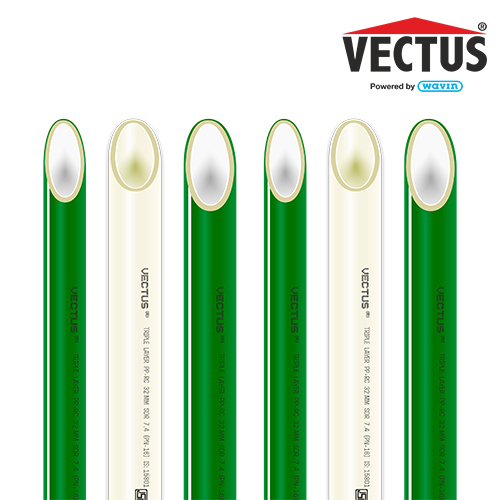
Tell us about your requirement

Price:
Quantity
Select Unit
- 50
- 100
- 200
- 250
- 500
- 1000+
Additional detail
Mobile number
Email

More Products in Pipes & Fittings Category
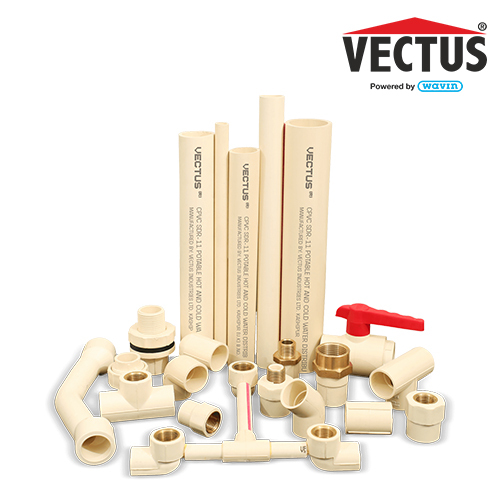
CPVC Piping System
Material : Other , Chlorinated Polyvinyl Chloride (CPVC)
Shape : Round
Color : Light Ivory
Standard : Other, ASTM D2846, IS 15778
Usage : Hot & Cold Water plumbing
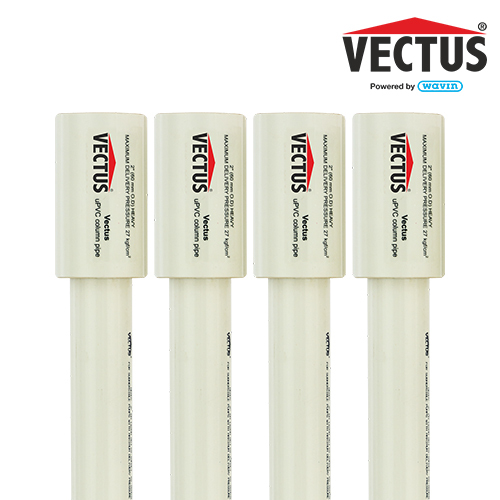
Column Pipe
Material : Other , uPVC (Unplasticized Polyvinyl Chloride)
Shape : Round
Color : Blue
Standard : Other, ISI Marked / As per IS 12818
Usage : Submersible Pump Installation
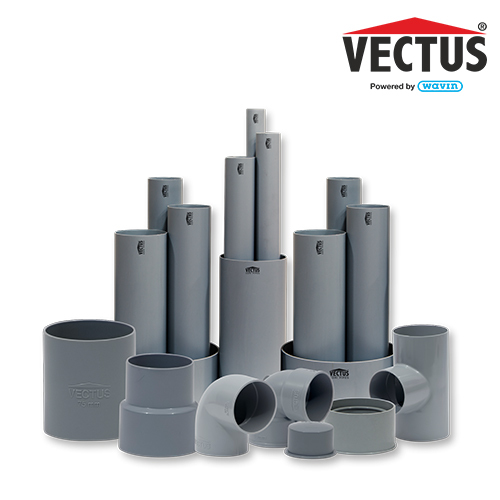
Agri Piping system
Material : Other , Polyvinyl Chloride (PVC)
Shape : Round
Color : Grey
Standard : Other, IS:4985/2000
Usage : Agricultural Irrigation
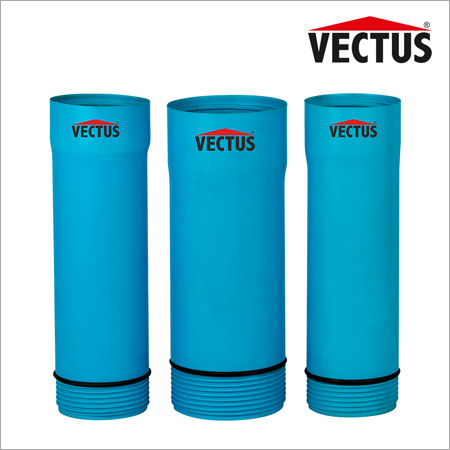
Casing Pipe
Material : PVC
Shape : Round
Color : Blue
Standard : Other, IS 12818
Usage : Borewell, Tube Well


 Send Inquiry
Our Products


Lotus Business Park, Tower B, 2nd Floor, Sector-127,Noida - 201301, Uttar Pradesh, India

 Send Inquiry
 Send SMS
 Call Me Free
Developed and Managed by Infocom Network Private Limited.
 English
 Spanish
 French
 German
 Italian
 Chinese (Simplified)
 Japanese
 Korean
 Arabic
 Portuguese