
Call us now :07971190518
 Send Inquiry
 Send Inquiry
HDPE piping system
HDPE piping system Specification
- Bend Radius
- 15 to 20 times outer diameter
- Yield Strength
- 16-22 MPa
- Connection Type
- Welded (Butt Fusion, Electrofusion), Mechanical
- Coating Type
- UV Stabilized
- Tolerance
- ±1% of nominal diameter
- Sealing Type
- Heat fusion joints / Mechanical seals
- Temperature Range
- -40°C to +80°C
- Diameter
- 20 mm to 1200 mm
- Flexibility
- High - Can be coiled for small diameters
- Tensile Strength
- >= 20 MPa
- Product Type
- HDPE piping system
- Material
- High Density Polyethylene (HDPE)
- Connection
- Butt Fusion, Electrofusion, Compression, Flange
- Shape
- Round
- Standard
- IS 4984:2016, ISO 4427
- Surface Treatment
- Smooth, untreated
- Outer Diameter
- 20 mm to 1200 mm
- Section Shape
- Circular
- Length
- Standard Length 6 m / 12 m or as required
- Thickness
- 2 mm to 50 mm (as per pipe size)
- Color
- Black with blue stripes
- Usage
- Water Supply, Gas Distribution, Sewage, Industrial Applications
- Rated Pressure
- PN 2.5 to PN 20 (2.5 bar to 20 bar)
- Material Grade
- PE 63, PE 80, PE 100
- Application
- Water Supply, Irrigation, Gas Pipeline, Drainage
- Installation Method
- Trenching, horizontal directional drilling, above ground
- Hydraulic Smoothness
- Low friction loss (C factor > 150)
- Leak Proof Joints
- Yes, fusion welded joints ensure zero leakage
- Environmental Impact
- Recyclable, eco-friendly material
- Impact Resistance
- Excellent, does not crack under impact
- Resistant To UV
- Yes, UV stabilized for outdoor installation
- Electrical Insulation
- Excellent non-conductive properties
- Corrosion Resistance
- Resistant to most chemicals and corrosion
- Fire Resistance
- Self-extinguishing nature
- Permeability
- Very low, suitable for potable water
- Life Expectancy
- Over 50 years (under normal use)
- Pressure Class Range
- PN 2.5 to PN 20
- Weight
- Lightweight, 0.95 g/cm³ density
HDPE piping system Trade Information
- Supply Ability
- 1000 Per Day
- Delivery Time
- 1 Days
HDPE piping system About
We are offering here the HDPE piping system that is defined as a non-metallic, coil-able, smooth-wall conduit of high density polyethylene for direct burial or encasement in concrete or masonry. HDPE piping is corrosion and abrasion-resistant, making it a great material for transporting various solids, liquids, and gases safely and effectively. The pipe is a flexible plastic pipe made of thermoplastic high-density polyethylene widely used for low-temperature fluid and gas transfer. HDPE piping system is a piping solution for gas, water, sewer, corrosive materials, and more.
Exceptional Durability and Longevity
Created from high-grade HDPE, these pipes provide remarkable resistance to impact, chemicals, and UV radiation, ensuring a lifespan that exceeds 50 years under normal operating conditions. Their self-extinguishing property and outstanding electrical insulation make them safe for various environments.
Versatile Applications and Easy Installation
HDPE piping is designed to suit water supply, irrigation, gas pipelines, drainage, and industrial uses. Its lightweight yet strong structure enables simple handling and quick installation by methods such as trenching, above-ground laying, or horizontal directional drilling. Small diameters can even be coiled for efficient transport and use.
Eco-Friendly and Dependable Performance
The fusion welding process guarantees airtight, leak-proof joints, while HDPE's recyclable nature helps reduce environmental impact. These pipes support potable water applications due to minimal permeability and maintain high-quality flow with low internal friction, validated by a high C factor.
FAQ's of HDPE piping system:
Q: How is an HDPE piping system installed for various applications?
A: HDPE pipes can be installed using several methods, including open trenching, horizontal directional drilling, or above-ground placement. The flexibility and lightweight nature of HDPE pipes make them easy to handle on-site, and fusion technology ensures secure, leak-proof joints. Installation method depends on the application and project requirements.Q: What are the key benefits of using HDPE piping systems?
A: HDPE pipes provide excellent impact resistance, corrosion protection, UV stabilization for outdoor use, and a life expectancy exceeding 50 years. They also offer leak-proof fusion joints, minimal friction loss, high flexibility, and are environmentally friendly, being fully recyclable.Q: When should HDPE pipes be chosen over other materials?
A: HDPE pipes are ideal whenever long-term durability, chemical resistance, low maintenance, and leak-proof performance are critical. They outperform many traditional materials in systems requiring high hydraulic efficiency, flexibility, and resilience to environmental factors.Q: Where can HDPE piping systems be used?
A: HDPE pipes are widely used in water supply, irrigation, gas distribution, sewage, industrial, and drainage applications. Their UV resistance and chemical inertness make them suitable for both underground and above-ground installations across residential, commercial, and industrial sectors.Q: What is the process for connecting HDPE pipes?
A: HDPE pipes are typically joined by heat fusion methods, such as butt fusion or electrofusion, which create a seamless, permanent, and leak-proof connection. Mechanical joints or flanges may also be used where needed. This flexibility in connection methods ensures adaptability for various installation scenarios.Q: How does HDPE piping benefit the environment?
A: HDPE piping systems are made from recyclable materials and have a low environmental footprint. Their long lifespan reduces replacement frequency, and leak-proof joints prevent contamination or loss of the transported fluids. The pipes meet eco-friendly standards and support sustainable infrastructure development.Q: What makes HDPE pipes suitable for potable water and industrial use?
A: The very low permeability of HDPE ensures that transported water remains uncontaminated, meeting standards for potable water. In industrial scenarios, HDPE's chemical resistance and smooth internal surface (C factor > 150) enable safe and efficient transport of fluids across varying conditions.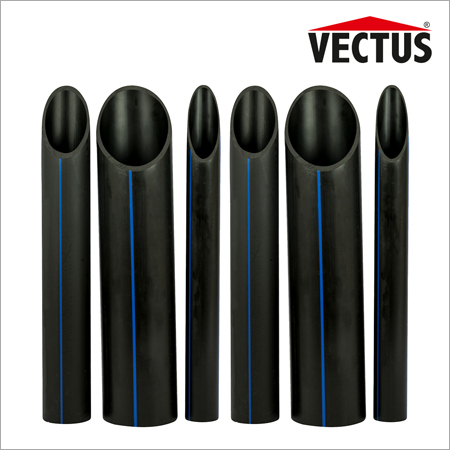
Tell us about your requirement

Price:
Quantity
Select Unit
- 50
- 100
- 200
- 250
- 500
- 1000+
Additional detail
Mobile number
Email

More Products in Pipes & Fittings Category
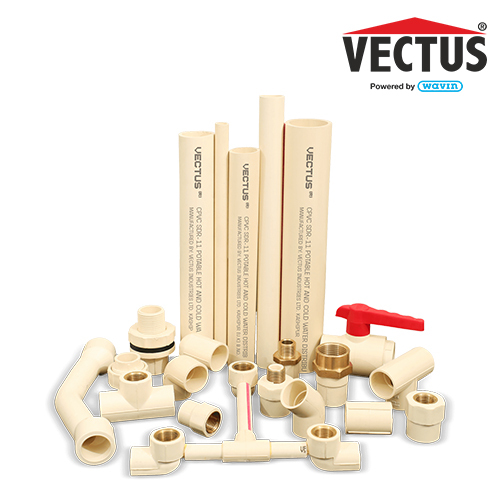
CPVC Piping System
Color : Light Ivory
Connection : Other, Solvent Cement Joint
Standard : Other, ASTM D2846, IS 15778
Surface Treatment : Other, Smooth, untreated
Material : Other , Chlorinated Polyvinyl Chloride (CPVC)
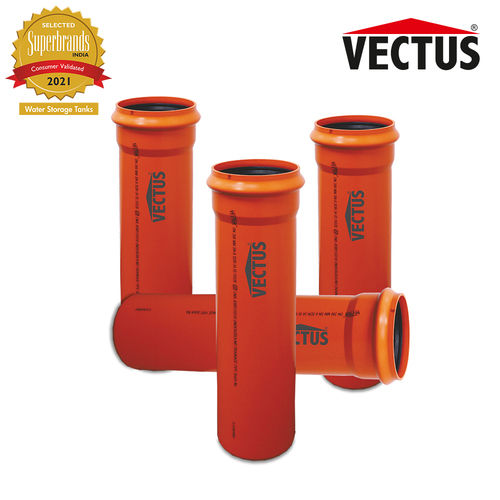
UPVC Underground Drainage System
Color : Grey
Connection : Other, Solvent Welded / Rubber Ring Joint
Standard : Other, IS: 15328, ASTM D3034
Surface Treatment : Other, Smooth Finish
Material : Other , UPVC (Unplasticized Polyvinyl Chloride)
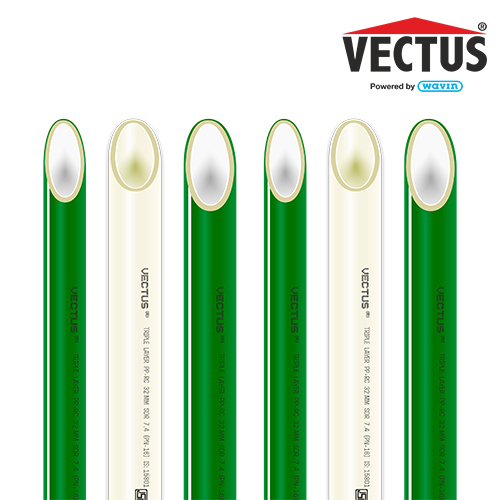
PPR Pipes
Color : Green
Connection : Other, Socket Fusion, Butt Fusion, Electrofusion
Standard : Other, DIN 8077/8078
Surface Treatment : Other, Smooth
Material : Other , Polypropylene Random Copolymer (PPR)
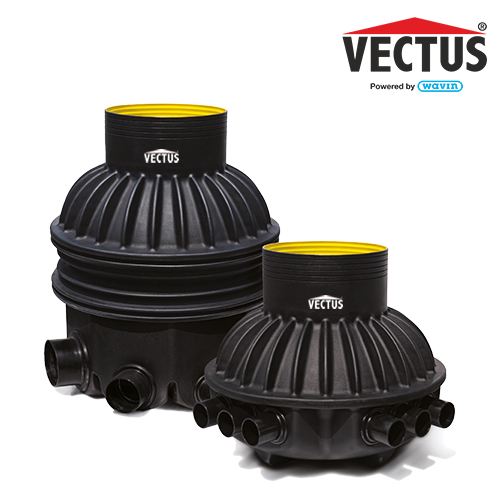
Polyethylene Manholes
Color : Black with yellow rim
Connection : Other, Inlets and outlets for pipe connections
Standard : Other, IS 1730 or equivalent
Surface Treatment : Smooth finish, Other
Material : Polyethylene, Other


 Send Inquiry
Our Products


Lotus Business Park, Tower B, 2nd Floor, Sector-127,Noida - 201301, Uttar Pradesh, India

 Send Inquiry
 Send SMS
Developed and Managed by Infocom Network Private Limited.
 English
 Spanish
 French
 German
 Italian
 Chinese (Simplified)
 Japanese
 Korean
 Arabic
 Portuguese